
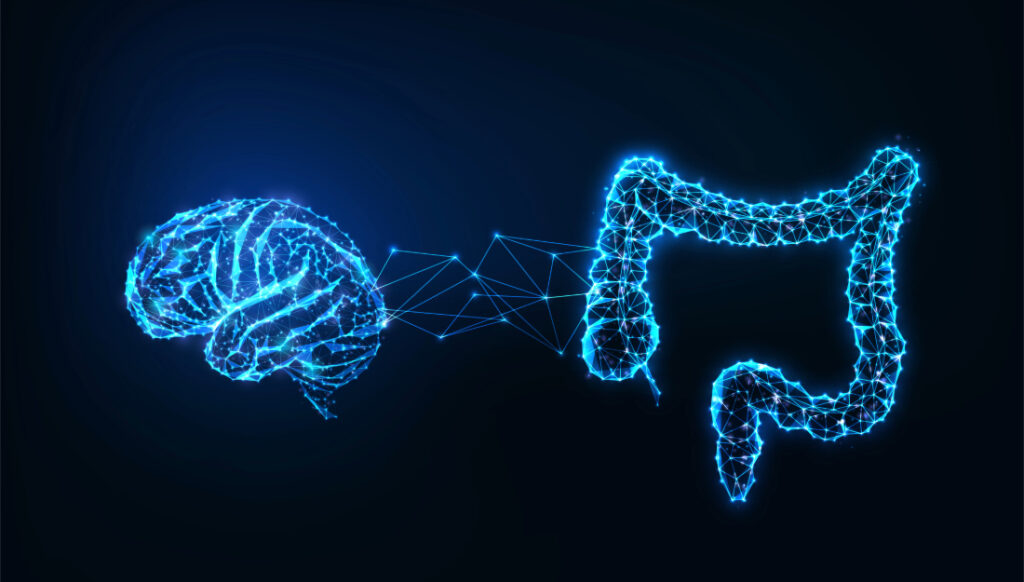
The Gut-Brain Axis: How Your Gut Influences Your Brain and Mental Health
Introduction
Scientists once believed that the brain worked independently from the rest of the body. Today, research shows a different picture. The brain and gut are constantly communicating with each other. This connection is called the gut-brain axis.
The gut-brain axis affects much more than digestion. It can influence mood, emotions, sleep, memory, and mental health. Researchers now believe that gut health plays an important role in overall well-being.
What Is the Gut Microbiota?
The gut microbiota is a collection of trillions of microorganisms living in the digestive tract. These microorganisms include bacteria, viruses, and fungi.
The microbiota helps the body in many ways. It supports digestion, produces vitamins, protects against harmful bacteria, and helps regulate the immune system.
Because of its powerful influence on health, many scientists refer to the microbiota as a “second brain.”
The Enteric Nervous System: The Brain in the Gut
The digestive tract contains its own nervous system called the enteric nervous system.
This system contains hundreds of millions of neurons. It can control many digestive functions on its own. However, it remains closely connected to the brain.
This connection explains why stress can cause stomach pain, diarrhea, nausea, or bloating. It also explains why digestive problems can affect mood and emotional well-being.
How the Gut Produces Important Brain Chemicals
Many people are surprised to learn that most of the body’s serotonin is produced in the gut.
Serotonin helps regulate mood, sleep, and emotional balance. Research suggests that the gut produces between 90% and 95% of the body’s serotonin.
The microbiota also helps influence other important chemicals, including:
- Dopamine, which supports motivation and reward
- GABA, which promotes relaxation and calmness
- Short-chain fatty acids, which support brain health
A healthy microbiota helps maintain a healthy balance of these substances.
What Happens When the Microbiota Becomes Unbalanced?
An imbalance in the microbiota is known as dysbiosis.
Dysbiosis can occur because of poor diet, chronic stress, lack of sleep, illness, or antibiotic use.
Research has linked dysbiosis to several health conditions, including:
- Anxiety
- Depression
- Sleep disorders
- Brain fog
- Concentration difficulties
- Irritable bowel syndrome
Scientists are also studying possible links between dysbiosis and neurodegenerative diseases such as Parkinson’s disease and Alzheimer’s disease.
The Vagus Nerve: The Communication Highway
The vagus nerve is one of the most important pathways connecting the brain and the gut.
It carries information in both directions. Messages travel from the brain to the digestive system and from the digestive system back to the brain.
Researchers have discovered that some gut bacteria can influence vagus nerve activity. This may affect mood, stress levels, and emotional regulation.
Chronic Inflammation and Mental Health
Inflammation is another important part of the gut-brain connection.
Studies have found that some people with depression have higher levels of inflammatory markers in their blood. These include CRP and inflammatory cytokines.
Chronic inflammation may affect brain function. It can influence mood, motivation, concentration, and memory.
This discovery has opened new possibilities for understanding and treating mental health conditions.
Can We Improve the Gut-Brain Axis?
Researchers are exploring several ways to support the gut-brain axis.
These approaches include:
- Eating a fiber-rich diet
- Consuming fermented foods
- Managing stress
- Exercising regularly
- Improving sleep quality
- Practicing meditation and breathing exercises
Many of these strategies may also support healthy vagus nerve function.
The Future of Personalized Medicine
Scientists are increasingly combining microbiome research with artificial intelligence.
These tools may help identify personalized treatment plans for each individual. Future healthcare may focus more on prevention and early intervention rather than treating disease after it develops.
Conclusion
The gut-brain axis is changing the way we understand human health. The microbiota, enteric nervous system, and vagus nerve all play important roles in communication between the gut and the brain.
Research continues to reveal how these systems affect mood, behavior, digestion, and neurological health. By supporting gut health, we may also support mental and emotional well-being.
As science advances, the gut-brain axis is likely to become a central part of personalized and integrative healthcare.